Dark Circles
Targeted treatment for dark circles under the eyes, led by oculoplastic surgeon Dr Maryam Zamani at her Chelsea clinic.
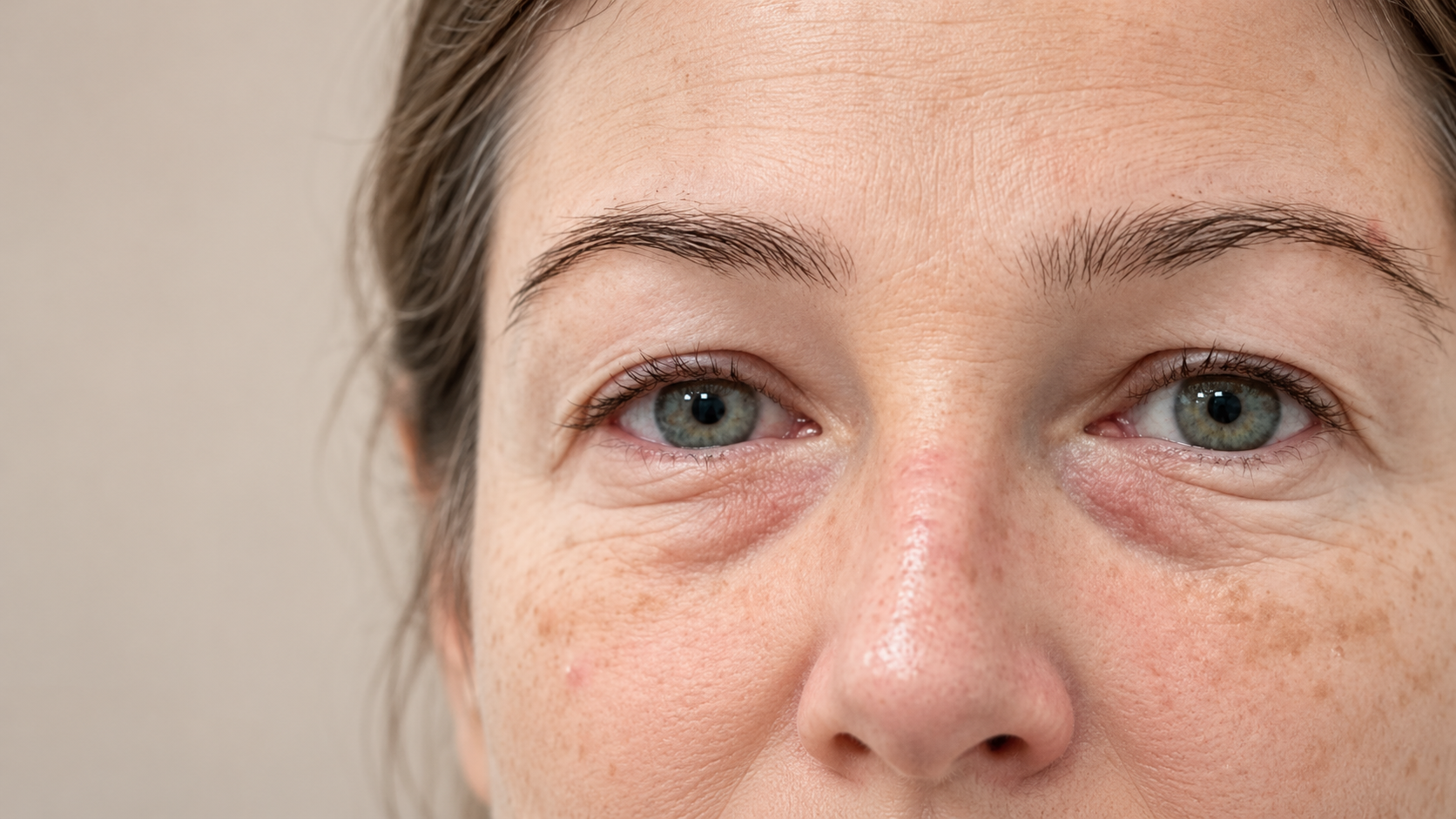
Treatment for Dark Circles in London
Dark circles are areas of darker colour or shadow beneath the eyes that can make the face look tired, even when well rested. They are one of the most common eye concerns and can affect people of any age.
Not all dark circles are pigmentation. They can be caused by pigment, visible blood vessels, thin skin, hollowing, fat bags or puffiness, inflammation and allergies, genetics or lifestyle factors, and most people have a combination of several causes. Because each cause needs a different approach, identifying which are responsible is the first step.
Medical and inflammatory conditions can also play a part. Atopic dermatitis, allergic contact dermatitis and allergic rhinitis are important contributors, and systemic illness, sleep disturbance and nutritional deficiencies can sometimes contribute, which is why each patient is assessed individually. Poor sleep, chronic rubbing, sun exposure, smoking, dehydration and stress can accentuate existing dark circles, although they are usually contributing factors rather than the sole underlying cause.
As an oculoplastic surgeon, Dr Maryam Zamani has a detailed understanding of the anatomy of the under-eye area. Treatment plans may combine mesotherapy, skin boosters, light-based treatment and carefully placed filler to improve colour, skin quality and contour.
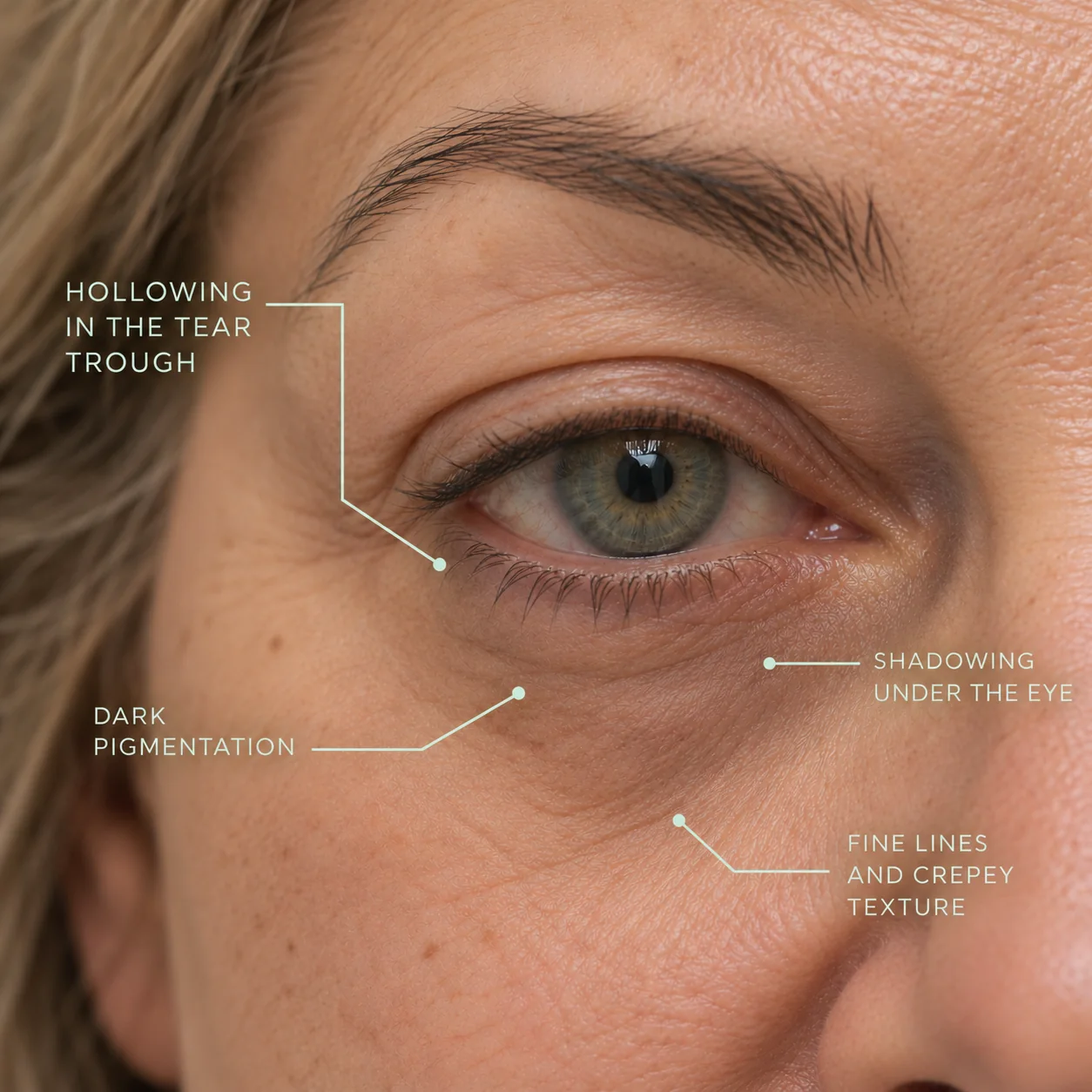
What Causes Dark Circles
Pigmentation
Increased melanin can be constitutional or genetic, particularly in darker skin types, or acquired from UV exposure or post-inflammatory hyperpigmentation caused by eczema, allergic contact dermatitis, irritation or chronic rubbing.
Visible Vessels and Thin Skin
Superficial vessels and venous congestion show through the very thin lower eyelid skin as blue, purple or reddish darkness. With age, thinning skin and collagen loss make the muscle and vessels beneath more visible.
Hollowing and Volume Loss
Tear trough deformity, loss of fat, skeletal changes and midface descent cast a shadow beneath the eye. This is not pigmentation, which is why creams cannot adequately correct it.
Fat Bags, Laxity and Swelling
Prolapsed orbital fat creates a convexity with a shadow just beneath it, while loose skin, wrinkles and fluid retention further change how light falls around the eye.
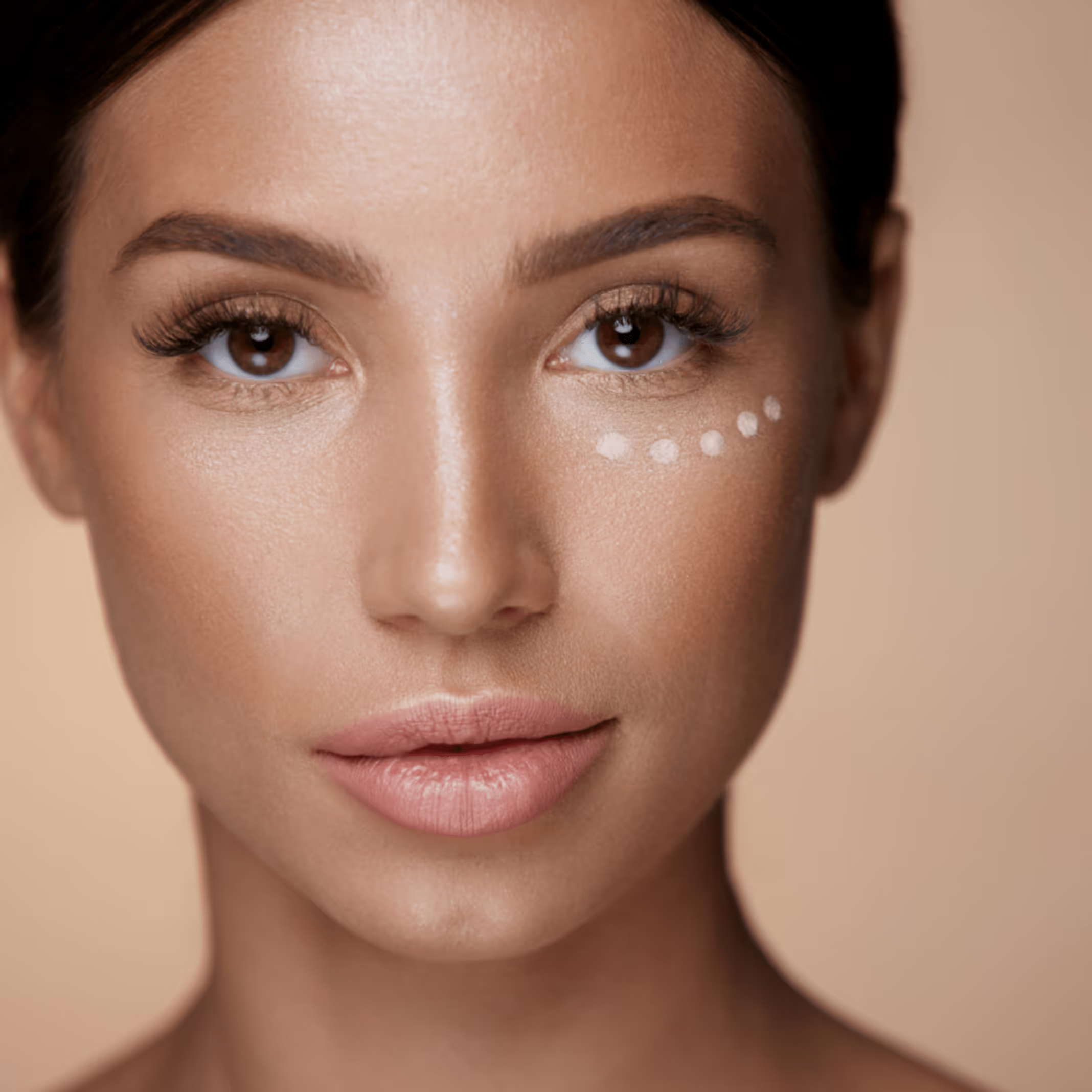
Light Eyes Ultra Mesotherapy
A bespoke cocktail of hyaluronic acid, antioxidants and botanical extracts formulated for the eye area.
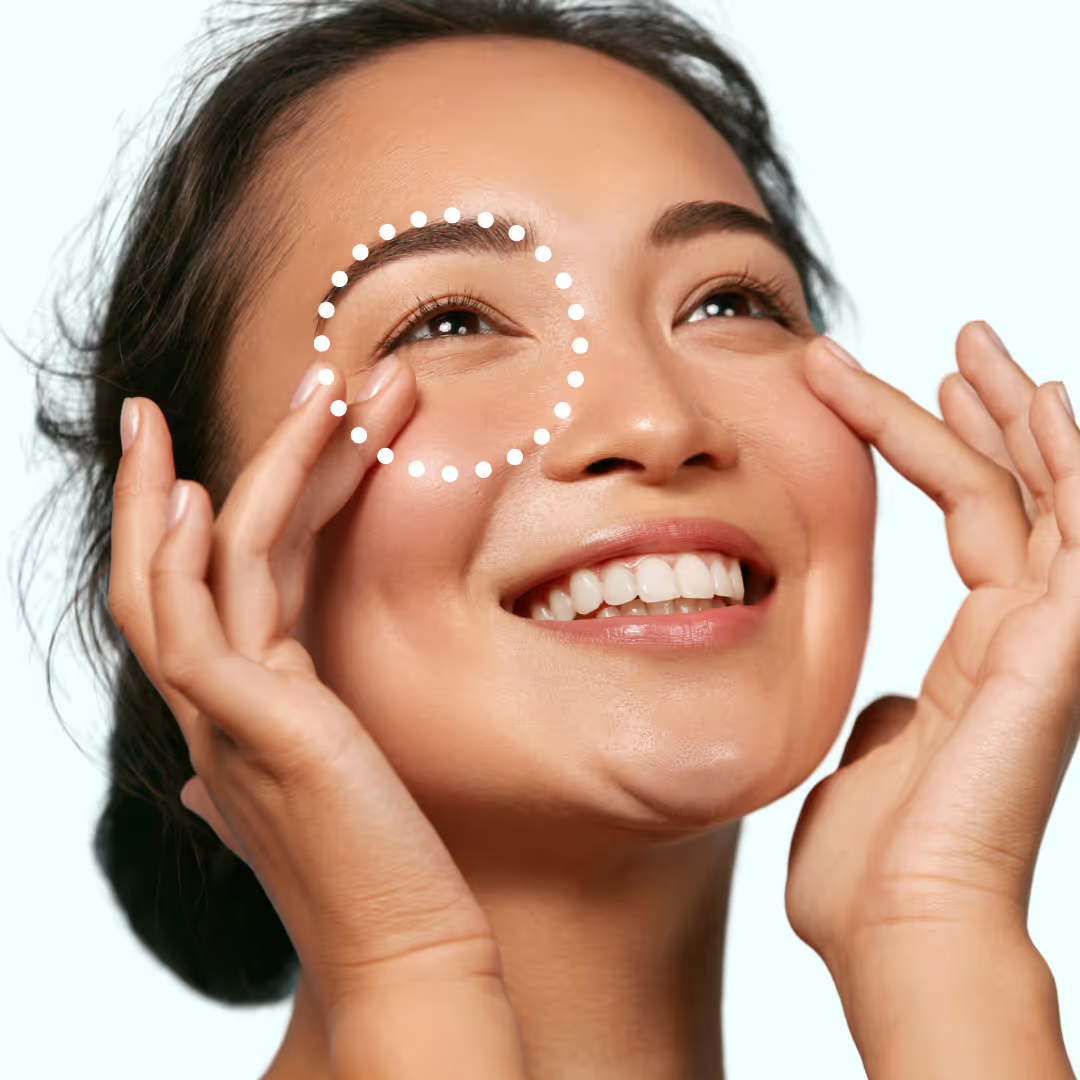
Eye Bright
EYELIGHT combines BBL and LightEyes Ultra mesotherapy to brighten, firm, and rejuvenate the delicate eye area while improving skin texture, elasticity, and contour.
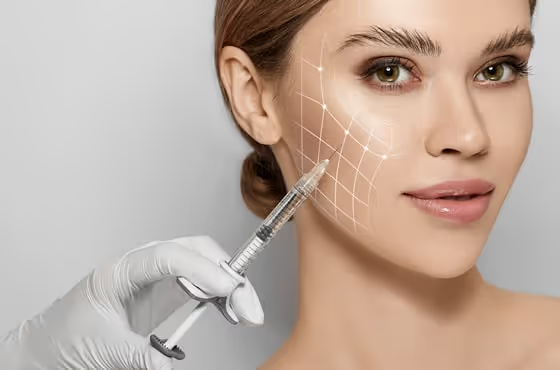
Skin Boosters: Redensity 1, Polynucleotides
Skin boosters are hyaluronic acid injectables that deeply hydrate skin, stimulate collagen and elastin, and improve skin quality without adding facial volume.

Hyaluronic Acid Fillers
Hyaluronic acid fillers restore volume, improve skin laxity, enhance facial contours, and rejuvenate lips, cheeks, tear troughs, jawline, and other areas naturally.

PRP or PRF
PRP uses your own platelet-rich plasma to stimulate collagen, improve skin tone, reduce wrinkles, acne marks, stretch marks, and dark circles naturally.
Your Treatment Journey
Consultation
Dr Zamani assesses skin tone, thickness and under-eye contour to identify the cause of the darkness and build a plan that addresses each contributing factor.
Treatment
All treatments are non-surgical and performed at the Chelsea clinic. A course of sessions may be recommended depending on the approach.
Recovery & Review
Mild redness, swelling or bruising may occur and usually settles within a few days. Results are reviewed at follow-up to assess progress and plan any further sessions.
“I had a great experience with Dr Zamani. I was able to describe what I was hoping to achieve and received expert, experienced and credible advice on what would and wouldn't be effective.”
— Patient Testimonial, The Clinic
Frequently Asked Questions
Not all dark circles are pigmentation. They can be caused by excess pigment, visible blood vessels showing through thin under-eye skin, hollowing and volume loss, fat bags or puffiness, inflammation and allergies, genetics or lifestyle factors. Most people have a combination of several causes.
As a general guide, brown circles usually point to pigmentation, blue or purple circles to visible blood vessels, and circles that look darker in overhead light to hollowing. Many people have a combination, which is why a medical assessment is the most reliable way to identify the cause.
The best treatment depends on the cause. Mesotherapy and skin boosters improve thin, crepey skin, laser and light-based treatment targets pigment and visible vessels, and filler can correct shadowing from hollowing. Combining treatments often gives the most natural result.
Some causes of dark circles, such as hollowing, can be improved for a long period. Others, including inherited pigmentation, can be reduced but may need maintenance over time. Your consultation will set realistic expectations based on the cause.
Yes, dark circles often run in families, particularly those caused by pigmentation or the natural shape of the under-eye area. Lifestyle factors can make inherited dark circles more noticeable but are rarely the only cause.
The under-eye area is delicate and requires a detailed knowledge of eyelid anatomy. In the right patient and in experienced hands, filler can improve shadowing, but it is not suitable for everyone and is only recommended after a thorough assessment.
Eye creams can support skin quality and may help mild pigmentation, but they cannot correct hollowing or visible vessels. In-clinic treatment is usually needed for a noticeable improvement.
The cost depends on the cause of your dark circles and the treatment or combination recommended. Prices for each treatment are shown on the individual treatment pages, and your personalised plan and costs are confirmed after consultation.