.avif)


December 18, 2025
How to Make Anti-Wrinkle Injections Last Longer?
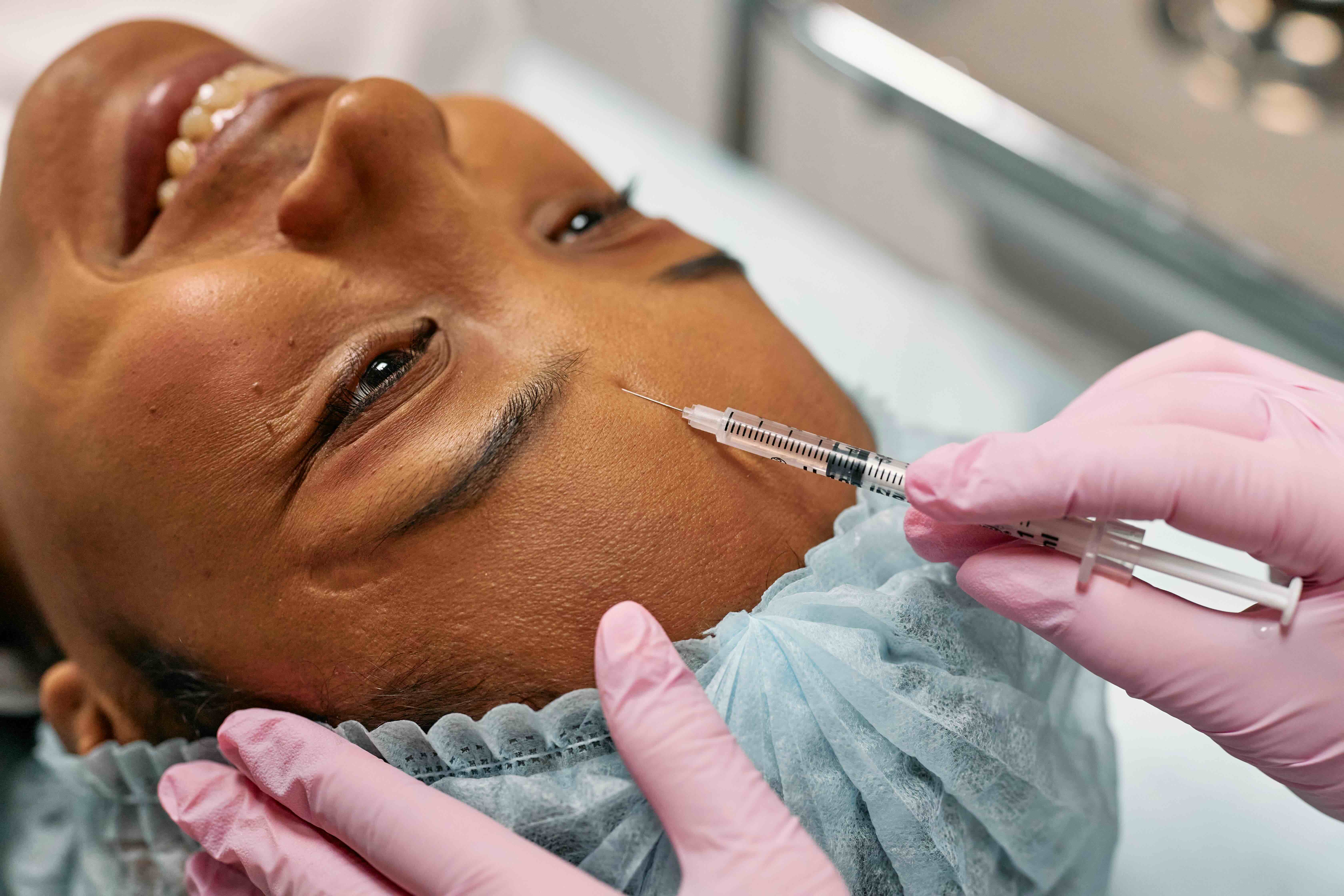
Botox is a very popular non surgical treatment used to soften expression lines and restore a rested appearance. It is very effective when administered by an experienced aesthetics doctor, like Dr Maryam Zamani, although results do not last forever and need to be maintained every 3-5 months to enjoy the results long-term. Many patients ask how they can prolong the benefits of botox, so Dr Zamani is sharing her top tips on how to make botox last longer to maintian the smooth, natural looking results we all love so much.
What is Botox and how does it work?
Botox is a purified form of botulinum toxin that temporarily relaxes selected facial muscles. It improves dynamic wrinkles, including frown lines, forehead lines, crow’s feet, marionette lines and downturned mouth corners and much more. When injected with precision by a specialist, it reduces muscle movement so that the overlying skin creases less, allowing lines to soften. At The Clinic, our results always prioritise natural movement with a refreshed appearance, so you still look like yourself, just rejuvenated.
How long does Botox last?
Results vary between individuals, although most patients experience:
- Initial effect within 3 to 5 days
- Full results at around 10 to 14 days
- A typical duration of 3 to 4 months
Some patients who maintain regular treatments may find results last closer to 4 to 6 months. However, muscle strength, metabolism, the dose administered and individual anatomy all influence longevity.
Why is Botox not permanent?
Botox affects the junction between the nerve and the muscle. Over time, nerve endings repair and create new connections, allowing movement to gradually return. This is expected and allows treatment plans to be adjusted as facial anatomy or goals evolve.
How to Make Botox Last Longer: Guidance from Dr Maryam Zamani
1. Choose a skilled, medically qualified aesthetic doctor with experience
The longevity and quality of Botox depend significantly on expertise. An experienced aesthetics doctor, such as Dr Zamani will select an appropriate dose, place injections precisely in the correct muscle fibres and apply a balanced approach to preserve natural expression.
2. Follow the immediate aftercare instructions
The first hours after treatment influence how well Botox settles. Patients should remain upright for four hours, avoid touching the treated areas and refrain from bending repeatedly. For the first 24 hours, they should avoid vigorous exercise, heat therapies and alcohol. These steps help the product remain where it is intended to act.
3. Treat the skin gently for 48 hours
A gentle cleanser and lukewarm water should be used for the first two days. Patients should avoid scrubs, at-home devices, abrasive exfoliators and in-clinic procedures in the treated areas until advised it is safe to resume them. Protecting the skin barrier supports an even result.
4. Protect the skin from sun exposure
UV radiation contributes significantly to premature ageing and can undermine the effects of Botox. Daily broad-spectrum SPF, sunglasses, avoidance of tanning beds, and protective clothing help maintain collagen and minimise squinting, supporting longer-lasting results.
5. Maintain a consistent skincare routine
Botox treats muscle movement, but skincare supports the quality of the skin itself. Dr Zamani commonly recommends antioxidants, hydration, retinoids when appropriate and barrier-strengthening products, as well as daily sunscreen. Healthy skin enhances the softness and smoothness achieved with neuromodulators.
6. Support overall skin health through lifestyle choices
Diet, hydration, sleep and stress management all influence skin quality and the appearance of lines. A balanced diet rich in whole foods, adequate water intake, regular rest and reduced stress helps maintain a youthful complexion and complements the effect of Botox.
7. Avoid smoking and vaping
We know it is bad for you, but smoking and vaping also contribute to premature ageing by reducing blood flow, accelerating collagen breakdown and encouraging repetitive movements around the mouth. Avoiding these habits supports clearer, firmer and smoother skin and helps Botox results appear more refined.
8. Schedule well-timed maintenance appointments
Most patients repeat treatment every 3 to 4 months. Some long-term patients may extend to around 4 to 6 months. A personalised schedule prevents excessive muscle activity from returning and helps maintain subtle, consistent results over time.
9. Consider combination treatments for comprehensive rejuvenation
Botox improves dynamic lines but does not address volume loss, deeper static wrinkles or pigmentation. Hyaluronic acid fillers, skin boosters, mesotherapy, laser or energy-based treatments and medical-grade skincare may be recommended to support complete rejuvenation. A considered combination approach can enhance and extend the overall result.
What to expect from Botox with Dr Maryam Zamani
Every treatment begins with a detailed consultation. Dr Zamani assesses facial movement at rest and in expression, reviews medical history and discusses goals. Treatment is performed with fine needles for comfort and usually takes around 15 minutes. Most patients resume normal activities immediately. Aftercare guidance and follow up support are provided as needed.
Who is a suitable candidate?
Botox may be appropriate for individuals concerned with expression lines who prefer a non surgical approach. Patients should be in good general health, not pregnant and should have realistic expectations. Suitability is confirmed during an in person consultation.
Expert Botox treatment in London
Prolonging the benefits of Botox relies on expert technique, personalised planning and consistent skin health habits. With Dr Maryam Zamani’s combined expertise in oculoplastic surgery and facial aesthetics, patients receive treatments that enhance the natural architecture of the face with refined and elegant results.
Patients who wish to explore Botox or optimise their long term outcome can arrange a consultation at the Dr Maryam Zamani Clinic in London.
Testimonials
Trustindex rating score: 4.7 of 5, based on 222 reviews
JT

My recent experience with the lovely Dr Maryam Zamani and her fabulous team was outstanding. Dr Maryam gave very professional and proactive...
EC
Maryam is highly skilled when it comes to injecting Botox and filler in the right places, and in the right amount. With other practitioners and doctors I have...
JB
The only one I trust for my skin since 10 years. She is truly amazing and an example for women . Very very happy about my laser treatment and her team is...
MCL
After taking my time researching plastic surgeons I decided to go to Dr. Zamani. I watched her IG often, saw what type of treatments she...
SS
I have been a patient of Dr Zamani’s for years, and to put it lightly, I will never let anyone touch my face if it isn’t her! Not only is Dr Zamani a wonderful person, her....
NC
I visited Doctor Zamani with very droopy upper eyelids and I had been thinking about surgery for sometime. I was given Doctor Zamani’s name by a friend who is in...
No items found.
Book Consultation
As a leading Oculoplastic Surgeon with special interest in Facial Aesthetics, Dr. Maryam Zamani has garnered a global reputation - both in the US and UK - for her meticulous attention to detail and sought-after techniques for eyes and facial aesthetics.
Thank you! Your submission has been received!
Oops! Something went wrong while submitting the form.
Find The Clinic by Dr Maryam Zamani in the heart of Chelsea
Book NowLocated on the Kings Road, our clinic is easy to reach from Chelsea, Kensington, Belgravia, Knightsbridge, South Kensington, Fulham and Battersea. We are positioned just moments from Sloane Square with excellent transport links across Central and South West London.
Public Transport
- Nearest tube: Sloane Square (District & Circle lines)
- Approx. 5-minute walk
- Multiple bus routes along King’s Road
Public Transport
- Metered on-street parking available on surrounding roads
- Nearby car parks: Duke of York Square & Cadogan Place
- Please allow additional time during peak hours
Accessibility: Please let us know if you require any assistance prior to your appointment, our team will be happy to help ensure your visit is comfortable.